Rethinking Youth: Why Age Definitions Must Reflect Real-World Development
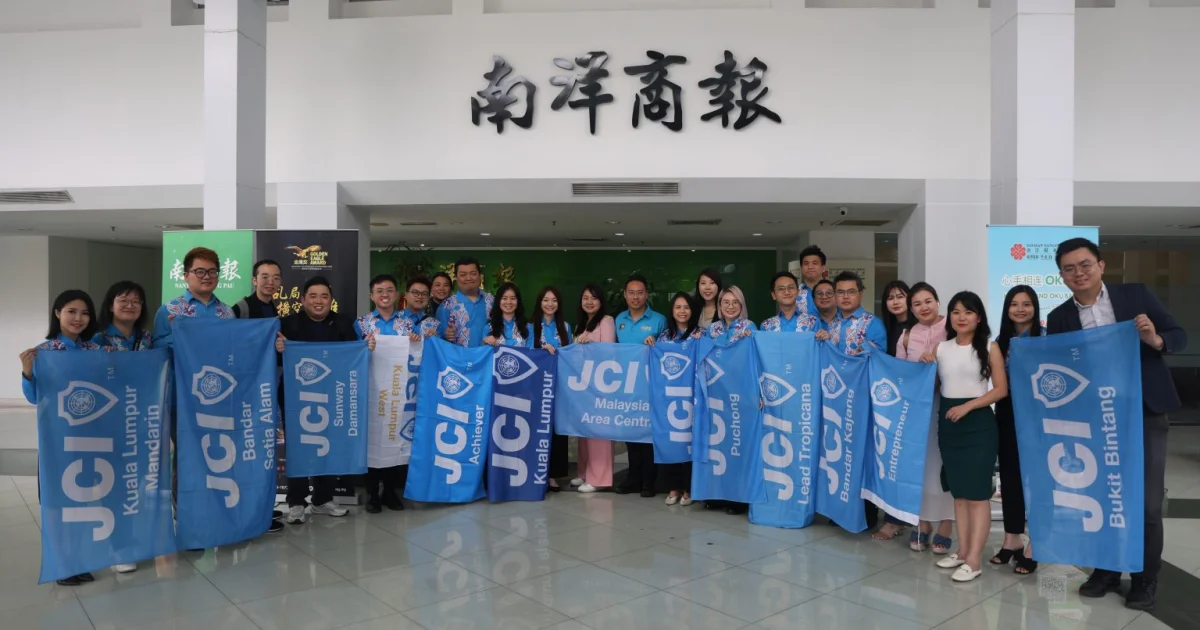
In a recent report by Nanyang Siang Pau, discussions surrounding Malaysia's revised youth age definition have sparked meaningful dialogue across leadership and development circles. The adjustment—lowering the youth age cap to 30—has raised important questions about how we define, nurture, and empower the next generation of leaders.
A Policy Shift with Real Implications
The report highlights concerns from Junior Chamber International Malaysia (JCI Malaysia), noting that the new age limit may not fully align with current societal realities. Many individuals in their 20s are still in the process of gaining experience, building careers, and developing leadership capabilities.
By redefining youth at a younger threshold, organisations may face structural and operational challenges—particularly those built around progressive leadership pipelines, mentorship systems, and experiential learning models.
The Reality of Modern Youth Development
At JCILT, we recognise that leadership maturity is not defined solely by age, but by exposure, experience, and opportunity.
Today's youth journey is no longer linear:
- Many pursue longer academic pathways
- Career entry points are increasingly delayed
- Skills development continues well into the late 20s and beyond
Reducing the official youth age bracket risks excluding individuals who are still actively growing into leadership roles.
Impact on Leadership Ecosystems
Youth-focused organisations—especially those rooted in leadership development—depend on a gradual progression model:
- Entry-level exposure
- Mid-stage leadership opportunities
- Advanced organisational roles
A compressed age window may disrupt this flow, limiting talent retention, leadership continuity, and organisational sustainability. These are not just internal challenges—they ultimately affect the broader ecosystem of future leaders.
A More Inclusive Approach to Youth
Rather than focusing strictly on age, JCILT advocates for a more holistic definition of youth, one that considers:
- Professional stage
- Leadership readiness
- Personal development journey
Policies should reflect how people actually grow—not just how they are categorised.
Moving Forward: Bridging Policy and Reality
The conversation initiated by this policy shift is important. It opens the door to a deeper reflection on how Malaysia nurtures its future leaders.
At JCILT, we believe: Youth development should be adaptive, inclusive, and aligned with real-world progression.
As organisations, policymakers, and communities, the goal should not simply be to define youth—but to empower them at every stage of their journey.
Source: This article references reporting by Nanyang Siang Pau.